
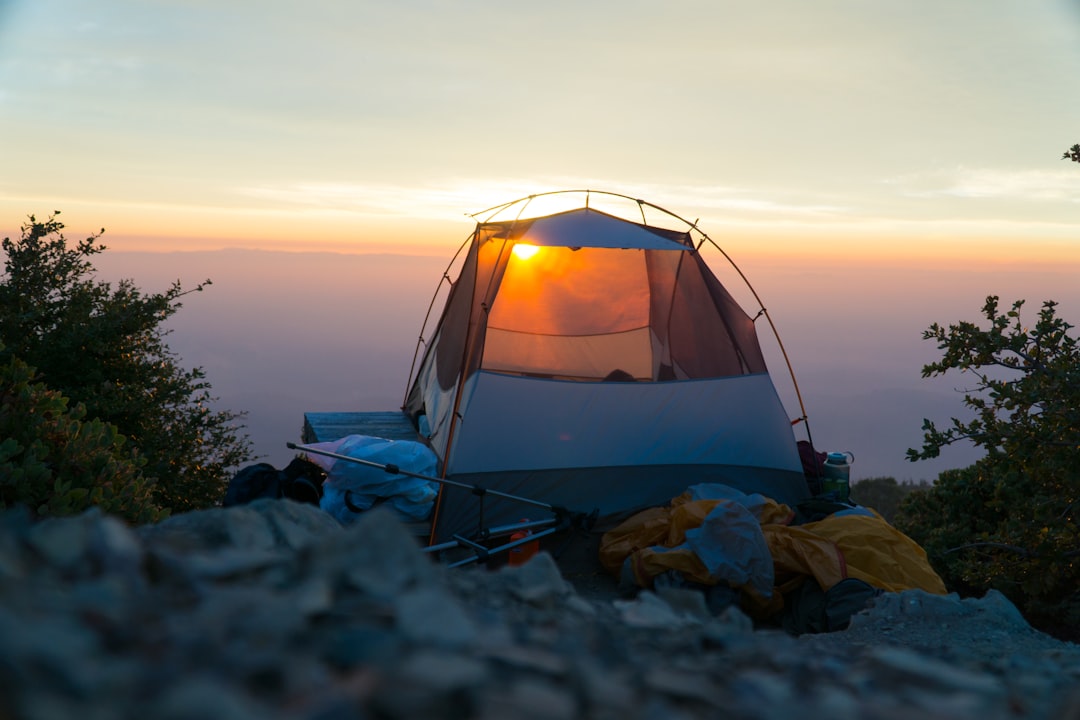
Packing for a camping trip can feel overwhelming, especially if you’re not sure where to start. But fear not! With the right strategies, you can pack your camping gear efficiently and effectively, ensuring that you have everything you need without the hassle of excess weight or clutter. Let’s dive into some actionable tips that will transform your packing process into a breeze.
First, it’s essential to understand the importance of planning. Before you even think about packing, take a moment to outline your trip. Consider the duration of your stay, the type of camping you’ll be doing (backpacking, car camping, etc.), and the weather conditions. This will help you determine what gear is necessary and what can be left behind.
Next, let’s talk about gear selection. When it comes to camping, quality matters. Invest in durable, lightweight gear that serves multiple purposes. For instance, a multi-tool can replace several individual tools, saving space and weight in your pack. Similarly, a sleeping bag that can be unzipped into a blanket offers versatility for different situations.
Now, onto the packing process itself. Here’s where the magic happens. Start by laying out all your gear on a flat surface. This gives you a visual overview and helps you avoid forgetting anything. Once you have everything in front of you, categorize items into groups: cooking gear, sleeping gear, clothing, and personal items. This organization will make it easier to pack and unpack.
Checklist: Choose a durable backpack, categorize your gear, pack efficiently.
When packing your backpack, use the following strategies:
1. **Weight Distribution**: Place heavier items close to your back and at the bottom of your pack. This keeps your center of gravity stable and makes carrying easier.
2. **Utilize Every Space**: Fill every nook and cranny. Stuff socks into shoes, and use the space inside pots and pans for smaller items. This not only saves space but also protects fragile items.
3. **Compression Bags**: For clothing, consider using compression bags. They reduce the volume of your clothes, allowing you to fit more into your pack while keeping everything organized.
When it comes to food, planning is crucial. Create a meal plan before you pack your food items. This will help you determine how much food you need and prevent overpacking. Opt for lightweight, high-calorie foods that are easy to prepare, such as dehydrated meals or energy bars. Pack food in resealable bags to save space and keep things fresh.
Don’t forget about your cooking gear! If you’re car camping, you can afford to bring a bit more, but if you’re backpacking, stick to lightweight options. A compact stove, a small pot, and a lightweight utensil set should suffice. Remember to pack your cooking gear in a way that prevents damage to other items in your pack.
Clothing is another area where efficiency is key. Choose moisture-wicking, quick-drying fabrics that can be layered. This allows you to adapt to changing weather conditions without packing bulky items. A good rule of thumb is to pack one outfit for each day, plus an extra layer for warmth. Don’t forget essentials like a hat, gloves, and a rain jacket, depending on the forecast.
Lastly, personal items should be kept to a minimum. Bring only what you need, such as toiletries in travel-sized containers, a first aid kit, and any necessary medications. Consider a small, lightweight towel instead of a bulky one, and remember that many campsites have facilities that may reduce the need for certain items.
In conclusion, packing your camping gear efficiently and effectively is all about planning, organization, and smart choices. By following these tips, you’ll not only lighten your load but also enhance your overall camping experience. So, gear up, hit the trails, and enjoy the great outdoors with confidence!